Jaw Coupling Spider Materials Compared: Polyurethane vs Hytrel vs Bronze vs NBR The spider is the part of a jaw coupling that actually wears out — and the material it’s made from determines how much torque it can handle, how hot it can run, and how long it lasts before you’re replacing it again. Polyurethane, […]
Monthly Archives: September 2026
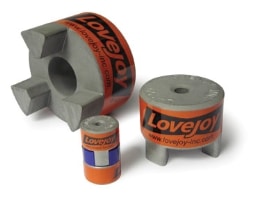
Lovejoy L-Series Jaw Coupling Cross Reference Guide The Lovejoy L-Series (L070 through L225) is the most widely copied jaw coupling dimensional standard in power transmission — which is exactly why cross-referencing one correctly matters. Because the physical envelope (bore range, outside diameter, hub length) is common across manufacturers, a coupling stamped with a different brand […]
Jaw Coupling vs Disc Coupling: Which Do You Need? A jaw coupling uses a replaceable elastomeric spider to absorb shock and handle minor misalignment, while a disc coupling uses a stack of thin metal discs to transmit torque with near-zero backlash and no wearing parts. Choose a jaw coupling for general-duty machinery where cost and […]
How to Measure Coupling Bore Size Coupling bore size is the inside diameter of the coupling hub where your shaft inserts, and it needs to match your shaft diameter within the manufacturer’s stated tolerance — not just be “close enough.” Measure the shaft’s actual diameter with calipers at multiple points, not the coupling’s existing bore, […]